 how-to
Facial Treatments for Clogged Pores: 5 Options and 2 Supporting Treatments
Compare professional options for congestion, understand the limits of LED and dermaplaning, and learn when acne needs a dermatologist.
Last Updated: October 29, 2026
Blackheads along your nose or small bumps on your chin can be frustrating, especially when more cleansing leaves your skin irritated. The right approach starts with identifying the concern. Blackheads, whiteheads, inflamed pimples, and deep painful acne need different care.
At Elite Laser Center & Med Spa in Stony Brook, professional facials and selected exfoliating treatments may help with congestion and overall skin appearance. They do not replace an acne treatment plan when one is needed. This guide compares five options and explains why two popular add-ons should not be described as direct pore-clearing treatments.
What Causes Clogged Pores?
Blackheads and whiteheads form when oil and dead skin cells collect in a follicle. Blackheads are not trapped dirt, so scrubbing harder is unlikely to solve the problem. The American Academy of Dermatology explains that different acne blemishes need different treatments.
Not every visible dot on the nose is a blackhead. Normal sebaceous filaments can also be noticeable; trying to keep every pore completely empty is not a realistic skincare goal. A consultation can help determine whether cosmetic care is appropriate or a dermatologist should evaluate the area.
1. A Customized Cleansing Facial
A personalized facial may combine cleansing, appropriate exfoliation, a mask, and hydration. The steps should reflect your skin’s current condition rather than a fixed “deep cleaning” routine.
This may suit someone with mild congestion and dullness who wants a conservative starting point. Steam is optional, and warmth can aggravate some reactive skin. Pores do not open and close like doors, and a facial cannot permanently shrink them.
Where Extractions Fit
Selected superficial congestion may be addressed during suitable professional care, but persistent closed bumps or inflamed lesions need a different assessment. Do not squeeze, lance, or aggressively scrape them at home. The AAD describes medical acne extraction performed by dermatologists, particularly for stubborn blackheads and whiteheads. This is distinct from routine facial cleansing.
2. HydraFacial
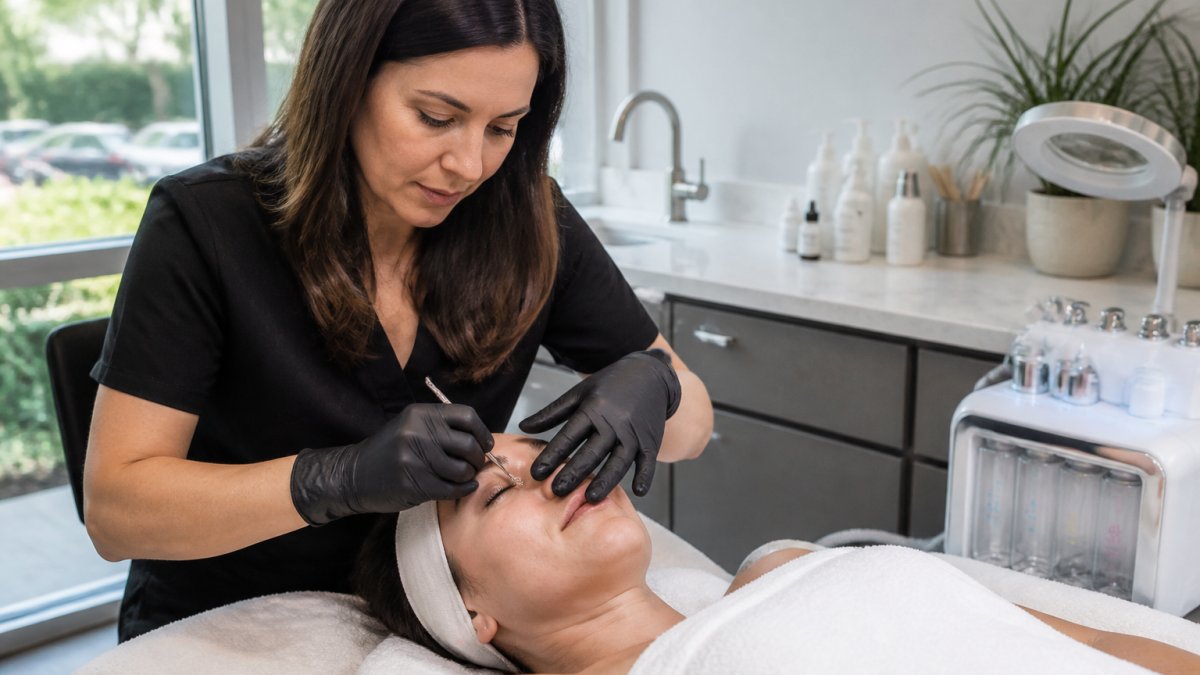
HydraFacial at Elite combines cleansing, exfoliation, suction-based extraction, and hydration. Treatment settings and products can be selected for concerns such as congestion, dullness, and uneven texture.
It may improve the appearance of surface buildup without the same recovery as a stronger peel. However, suction and exfoliating solutions can still irritate skin. Broken skin, active irritation, or significant inflammatory acne may mean postponing or changing the plan. It is not a cure for acne or a guarantee that every blackhead will be removed.
3. DiamondGlow
DiamondGlow combines diamond-tip exfoliation, suction, and topical serum delivery. It offers another way to address surface debris and improve the appearance of texture and tone.
HydraFacial and DiamondGlow have overlapping goals but use different treatment systems. Neither is universally better for clogged pores. Your provider should explain why the selected tip, serum, and intensity suit your skin. Avoid treating a brighter post-facial appearance as proof that the underlying cause of recurring acne has been resolved.
4. Microdermabrasion
Microdermabrasion mechanically exfoliates the outer skin surface. It may fit a plan for roughness and superficial buildup when the skin can tolerate physical exfoliation.
It is not the right approach for every congested complexion. Passing an abrasive treatment over inflamed, broken, or very sensitive skin can worsen irritation. Ask whether a gentler facial or medical acne treatment would offer more benefit before adding it to your routine.
5. A Carefully Selected Chemical Peel
Some professional peels can help with acne-related congestion by exfoliating the skin. The AAD lists certain types of acne among conditions chemical peels may address. The acid, formulation, strength, and treatment protocol all matter.
Elite’s peel options include VI Peel, SkinMedica peels, and the SkinCeuticals Red Carpet Peel. VI Peel Purify and Purify with Precision Plus are options we discuss for acne-related concerns. That does not mean every peel suits every breakout.
Recovery varies. Some treatments produce little visible flaking, while others involve several days of peeling. Do not assume a “light” peel means a fixed one- or two-day recovery. Discuss pigment-change risk, especially if your skin has developed dark marks after previous irritation.
6. Dermaplaning: A Supporting Option for Texture and Peach Fuzz
Dermaplaning removes fine facial hair and dead surface skin cells. It may improve smoothness, but it does not extract material from inside a follicle or treat the causes of acne.
It may be considered when peach fuzz or surface texture is a separate concern. It should not be passed over active inflamed lesions or broken skin. For blackheads alone, ask whether another option better matches the goal.
7. LED Therapy: A Supporting Option for Certain Breakouts
Elite offers Dermalux Tri-Wave MD LED light therapy. LED does not exfoliate, suction out debris, or remove blackheads and whiteheads.
The AAD distinguishes visible-light treatment for pimples from treatment of clogged pores. LED may be part of a broader plan for suitable inflammatory breakouts, but results vary. It should not be presented as a substitute for extracting a blackhead or treating deep acne.
Which Approach Fits Your Concern?
Main concern | What to discuss |
|---|---|
Mild congestion with dullness | A customized facial, HydraFacial, or DiamondGlow, with suitable settings. |
Rough surface texture | Whether selected exfoliation or microdermabrasion adds value. |
Recurring blackheads and whiteheads | A consistent acne-care plan; dermatology review if persistent. |
Peach fuzz without active inflammation | Dermaplaning for hair and texture, not pore extraction. |
Inflamed pimples | Clinical assessment; LED may have a supporting role when appropriate. |
Deep painful bumps, scarring, or worsening acne | A dermatologist rather than repeated cosmetic exfoliation. |
Prepare for Your Specific Treatment
Share your medications, skincare products, allergies, pregnancy or breastfeeding status, cold-sore history, previous pigment reactions, and any current or past isotretinoin use. Recent tanning, waxing, or other procedures can also affect timing.
Ask for written directions about retinoids, exfoliating acids, and other active products. Pause intervals depend on the product and planned service. Do not stop prescribed medication—including blood thinners or prescription acne treatment—without guidance from the prescribing clinician.
Discuss recovery before booking around an event. Temporary redness or sensitivity may occur even with a gentle facial. Peels can involve more visible recovery. No service is universally risk-free or guaranteed to have no downtime.
Home Care Helps Control Recurring Congestion
The AAD recommends gentle cleansing up to twice daily and after sweating. Avoid harsh scrubbing and use suitable non-comedogenic moisturizer and sunscreen. Double cleansing is not essential for everyone; adding more washing can irritate the skin.
For recurring blackheads and whiteheads, evidence-based acne ingredients include salicylic acid and adapalene. Cosmetic retinol is not interchangeable with every acne medication. Ask a clinician or pharmacist what fits your skin and health circumstances instead of starting several actives together.
Follow aftercare for the exact service you receive. Do not pick, scrub, or peel flaking skin. Seek advice for increasing pain, blistering, spreading redness, or signs of infection. Persistent acne deserves assessment rather than a more aggressive facial schedule.
Frequently Asked Questions
How often should I book a facial for clogged pores?
There is no universal interval. Frequency depends on the treatment, irritation level, response, and any acne medication. Reassess benefit before committing to repeated visits.
Can facials permanently shrink pores?
No. Reducing buildup may make pores look less noticeable, but treatments do not permanently close them or stop normal oil production.
Is one treatment enough?
You may notice smoother skin after a visit, but recurring congestion may need ongoing home treatment or medical acne care. More frequent facials are not automatically the solution.
Discuss Your Skin Goals at Elite
A useful plan identifies what you want to improve, what each treatment can realistically do, and when medical care is the better next step. Elite can help you compare suitable cosmetic options without assuming that every concern needs an add-on or a series.
Request a consultation or call 631-675-2500. Visit Elite Laser Center & Med Spa at 2308 Nesconset Hwy, Route 347, Stony Brook, NY 11790.
Sources
- AAD: How to Treat Different Types of Acne
- AAD: Pimple Popping and Medical Extraction
- AAD: Chemical Peels Overview
- AAD: Lasers and Lights for Acne
- AAD: Acne Skincare Tips
- AAD: Adult Acne Treatment
General education only. Treatment suitability, recovery, and results vary. Follow your treating provider’s instructions.