 How-to
Schedule a Medical Grade Facial Appointment: 2026 Guide
Table of Contents
- What Is a Medical Grade Facial?
- Benefits of Medical Grade Facials for Long-Term Skin Health
- Medical Grade Facial vs Spa Facial: Key Differences
- How to Prepare for a Professional Facial Appointment
- Step-by-Step: How to Schedule a Medical Grade Facial Appointment
- Post-Facial Skincare Routine: What to Do After Treatment
- Contraindications, Safety, and What to Discuss at Your Consultation
- Frequently Asked Questions
Last Updated: September 16, 2026
What Is a Medical Grade Facial?
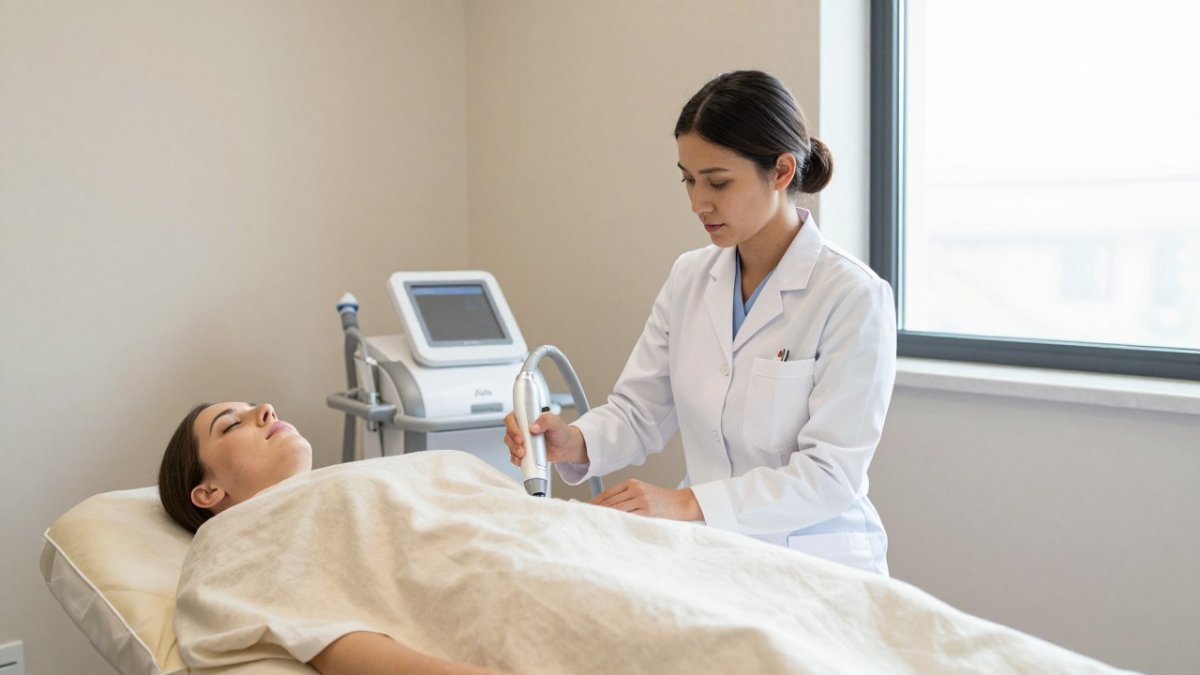
A medical grade facial is a professional skin treatment performed under medical supervision that uses clinical-strength active ingredients and devices to address concerns like hyperpigmentation, acne scarring, and fine lines at a deeper level than a spa facial.
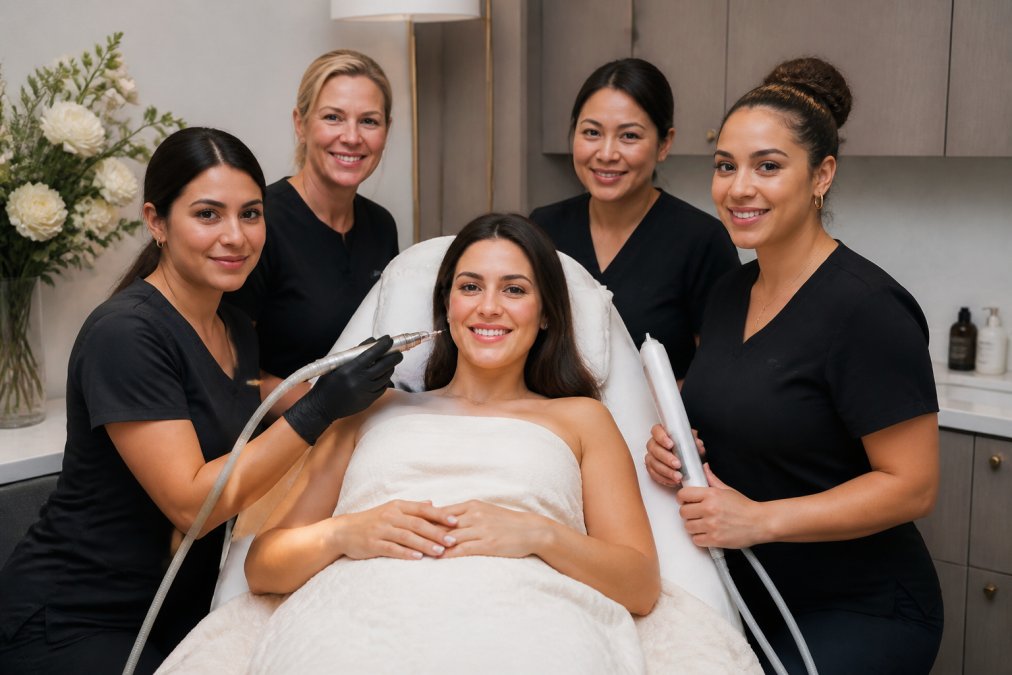
The distinction matters because it changes who performs your treatment and what they can legally use on your skin. At Elite Laser Center Medical Spa, every facial is performed or supervised by a nurse, which means your aesthetician isn't guessing at what your skin barrier can tolerate. They're working from a skin analysis and a provider-approved plan.
Most people arrive at this decision after years of facials that felt nice but changed nothing. That's the gap clinical-strength treatments exist to close.
Benefits of Medical Grade Facials for Long-Term Skin Health
The biggest benefit isn't a single glow. It's cumulative improvement in cellular turnover, collagen production, and skin elasticity that builds across a series of treatments.
A one-off facial gives you a few days of radiance. A planned series, spaced correctly, changes how your skin behaves between appointments. That's why medical spas build treatment plans rather than selling single sessions.
- Deeper exfoliation than cosmetic facials can achieve, reaching beyond surface dead skin
- Serum infusion with active ingredients at concentrations that require supervision
- Pore refinement and improved skin texture over repeated visits
- Non-surgical skin rejuvenation that fits around work and family schedules
Who Benefits Most from Clinical-Strength Treatments
Clients in their 30s through 60s dealing with post-pregnancy changes, sun damage, or early laxity tend to see the clearest difference.
If you've tried drugstore serums and monthly spa facials without results, the limiting factor was likely concentration, not consistency. Clients with PCOS, hormonal acne, or darker skin tones should say so during your consultation, because the plan changes based on how your skin responds.
Medical Grade Facial vs Spa Facial: Key Differences
The core difference is oversight, ingredient concentration, and what the provider is trained to assess. A spa facial is a relaxation service. A medical grade facial is a treatment with a clinical objective.
| Factor | Spa Facial | Medical Grade Facial |
|---|---|---|
| Supervision | Esthetician only | Nurse or physician oversight |
| Ingredient strength | Cosmetic grade | Clinical strength |
| Skin analysis | Visual assessment | Structured skin assessment |
| Treatment planning | Single session | Customized treatment series |
| Typical focus | Relaxation, surface glow | Dermal health, long-term correction |
Ingredient Concentrations and Clinical Strength
Professional grade formulations allow higher percentages of active ingredients than retail products, and that's exactly why supervision is required.
Chemical peel acids, retinoids, and brightening agents behave differently at clinical strength. They can trigger real reactions on a compromised skin barrier. That's not a reason to avoid them. It's a reason to have a nurse in the room who knows when to stop.
How to Prepare for a Professional Facial Appointment
Preparation is where most people lose results before they even arrive. Knowing how to prepare for a professional facial comes down to a short list of things to stop and things to bring.
Stop retinoids, exfoliating acids, and any at-home chemical peels for roughly five to seven days before your visit. Arrive with clean skin, no makeup if possible, and a list of every product and prescription you currently use. Mention blood thinners, recent injectables, and any active cold sore.
Pre-Appointment Preparation Checklist
- Pause retinoids, AHA/BHA exfoliants, and at-home peels 5-7 days prior
- Skip waxing, threading, and laser hair removal on the treatment area for 1 week
- Avoid direct sun exposure and tanning for at least 3 days
- Disclose all medications, supplements, and current skincare products
- Report any active breakout, cold sore, or skin infection before your visit
- Arrive with clean skin and no makeup
- Bring a list of your skin concerns and goals in writing
- Plan your day so you're not rushing straight into a workout afterward
Step-by-Step: How to Schedule a Medical Grade Facial Appointment
Scheduling takes about ten minutes, but the decisions you make before you book determine whether the treatment works. Here is the full sequence, including budgeting questions to consider.

Step 1: Request a skin consultation, not a treatment slot. Call the office or use the online booking form and ask specifically for a consultation. A same-day treatment slot skips the skin analysis, which is the step that determines which actives and devices are safe for your barrier. If a provider will not separate the two, that is a signal about how they plan.
Step 2: Complete your intake honestly. List every medication, allergy, prior treatment, and skin history item. This is the single most important form you will fill out, and it is the reason a nurse-supervised plan differs from a spa menu.
Step 3: Attend the consultation and skin analysis. Your provider evaluates your skin, discusses your concerns, and recommends a customized treatment plan. Ask what they are assessing for, barrier integrity, hydration, pigment depth, and laxity are the usual categories.
Step 4: Review the plan and pricing together, and ask these four questions. This is where most people under-ask. Before you commit, get clear answers to:
- Is this priced per session or as a package? A single clinical facial and a planned series are different products. Ask what the per-visit cost is inside the package versus buying visits individually.
- How many visits are included, and over what window? Series pricing usually assumes a completion window. Ask what happens if you need to reschedule past it.
- What is included in the price, and what is not? Confirm whether the price covers the prescribed cycles, numbing, post-care products, and follow-up visits, or whether any of those are billed separately.
- Are payment plans available, and do they require a credit check? Many medical spas offer in-house plans. Ask before you assume you need to pay in full up front.
Step 5: Book your treatment dates. Bring your calendar.
Post-Facial Skincare Routine: What to Do After Treatment
Your post-facial skincare routine for the first 72 hours is simple on purpose: cleanse gently, moisturize, and protect. Skip everything else. Here is a day-by-day timeline and specific ingredients to hold back.
What to avoid entirely until cleared:
- Retinoids and prescription tretinoin
- AHA and BHA exfoliants, including at-home peels
- Physical scrubs, cleansing brushes, and pore strips
- Waxing, threading, and laser hair removal on the treated area
- Direct sun exposure and tanning beds
Do not "push through" a reaction by adding more moisturizer or a soothing mask you have not cleared. Freshly treated skin absorbs what you put on it more readily, and an unvetted product can turn a mild reaction into a week of downtime.
Contraindications, Safety, and What to Discuss at Your Consultation
Certain conditions and medications make clinical-strength treatments a bad idea, and a good provider will screen for them before booking anything.
Frequently Asked Questions
Do I need a consultation before scheduling a medical grade facial?
Yes, most medical spas require a consultation first. During this visit, a licensed provider performs a skin assessment, reviews your health history, and identifies your specific concerns like hyperpigmentation, acne scarring, or fine lines. This step ensures the customized treatment plan uses appropriate active ingredients and clinical-strength products for your skin type and goals. At Elite Laser Center Medical Spa, all services are performed or supervised by a nurse, so the consultation also gives you a chance to ask questions about the procedure and expected outcomes before committing to an appointment.
How often should you schedule a medical grade facial for optimal results?
Most providers recommend a series of treatments spaced four to six weeks apart, then a maintenance schedule of every two to three months. The right frequency depends on your skin concerns, how your skin responds, and the specific treatments involved. For concerns like hyperpigmentation or acne scarring, a closer initial schedule may be appropriate. Your provider will adjust the plan based on how your skin barrier recovers between sessions. Consistency matters more than frequency, so discuss a realistic schedule during your consultation.
What should I avoid doing before my medical grade facial appointment?
Avoid retinoids, exfoliating acids, and other active ingredients for three to five days before your appointment to reduce the risk of irritation. Skip waxing, threading, and chemical depilatories on the treatment area for at least one week. Stay out of direct sun and avoid tanning beds. On the day of your appointment, arrive with clean skin and no makeup if possible. Also avoid alcohol and blood-thinning medications for 24 hours beforehand, since some treatments like microneedling involve controlled micro-injuries that can increase bleeding risk.
How long does a medical grade facial appointment typically last?
A medical grade facial appointment usually lasts 60 to 90 minutes, depending on the treatments included. A basic HydraFacial or chemical peel session may take about an hour, while a combination treatment involving microneedling, serum infusion, and LED therapy can run closer to 90 minutes. Your first visit may take longer because it includes a skin analysis and consultation. Plan for extra time on your initial appointment, and ask the front desk how long to block out when you schedule.