 how-to
How Long Does Swelling Last After a Thread Lift?
Swelling after a thread lift often improves over the first several days, although bruising, tenderness, tightness, and other healing changes may take longer to settle. Allowing some flexibility during the first one to two weeks can help with planning, but your provider's assessment matters more than a calendar.
If swelling is rapidly increasing, becoming more painful, or appearing alongside spreading redness, warmth, or fever, contact your treating provider promptly. You do not need to wait until a particular recovery day to ask for help.
At Elite Laser Center & Med Spa in Stony Brook, PDO thread treatments are planned around facial anatomy, skin condition, and individual goals. Recovery advice should be just as personal as the treatment itself.
Why Swelling Happens After a Thread Lift
PDO threads are absorbable sutures placed beneath the skin. Their placement produces a local tissue response, which can include puffiness, bruising, tenderness, and a feeling of tightness. Early swelling can also affect how the treated area looks.
Lifting threads and smooth threads have different purposes. Lifting threads can provide tissue support, while smooth threads are primarily used to encourage a collagen response. The type and number of threads, placement, treatment area, and individual healing all influence the experience afterward.
Temporary effects are possible even with a minimally invasive procedure. A thread lift also has risks, including infection, persistent pain, and a thread becoming exposed through the skin. The American Society of Plastic Surgeons outlines these risks and recommends discussing them before treatment.
A General Thread Lift Recovery Timeline
Published guidance does not provide one universal swelling schedule. For example, Cleveland Clinic describes swelling and bruising lasting up to five days, while individual treatment plans may involve a longer recovery. This is a general estimate, not a guarantee or a reason to dismiss ongoing symptoms.
Stage | What you may notice | How to approach it |
|---|---|---|
First few days | Puffiness, tenderness, bruising, and a tight or pulling sensation | Follow your aftercare plan and contact your provider about symptoms that are severe, worsening, or outside the expected pattern |
Remainder of the first week | Early swelling may begin settling; bruising and tightness can remain | Keep the planned follow-up and ask about changes that concern you |
Second week | Appearance and comfort may continue changing as healing progresses | Confirm when you can resume exercise, facial pressure, and other treatments |
Following weeks | A clearer view of the treatment result as early healing changes resolve | Have persistent puffiness, pain, dimpling, or asymmetry assessed rather than assuming it will resolve on its own |
Returning to desk work and feeling ready for close-up photographs are different milestones. Discuss weddings, travel, and other important plans before treatment so your schedule includes room for an individual recovery.
Swelling, Bruising, and Dimpling Are Different
Swelling creates puffiness or fullness. Bruising produces discoloration after small blood vessels are disturbed. Dimpling or puckering changes the surface contour, sometimes appearing as a small indentation or pull.
These changes can overlap, and a photograph alone may not explain the cause. Minor irregularities can occur during early healing, but persistent, painful, or worsening changes deserve an examination. A visible or protruding thread also needs professional attention.
Do not massage a dent, pull on a thread, or try to cut an exposed end yourself. Ask the treating provider to assess it and give specific instructions. Waiting for a presumed timeline is not a substitute for checking a concern.
Aftercare That Supports Recovery
The ASPS recovery guidance emphasizes individual instructions for skin care, medication, activity, warning signs, and follow-up. Use the written plan from the person who treated you rather than combining several online routines.
Use Cold Compresses Only as Directed
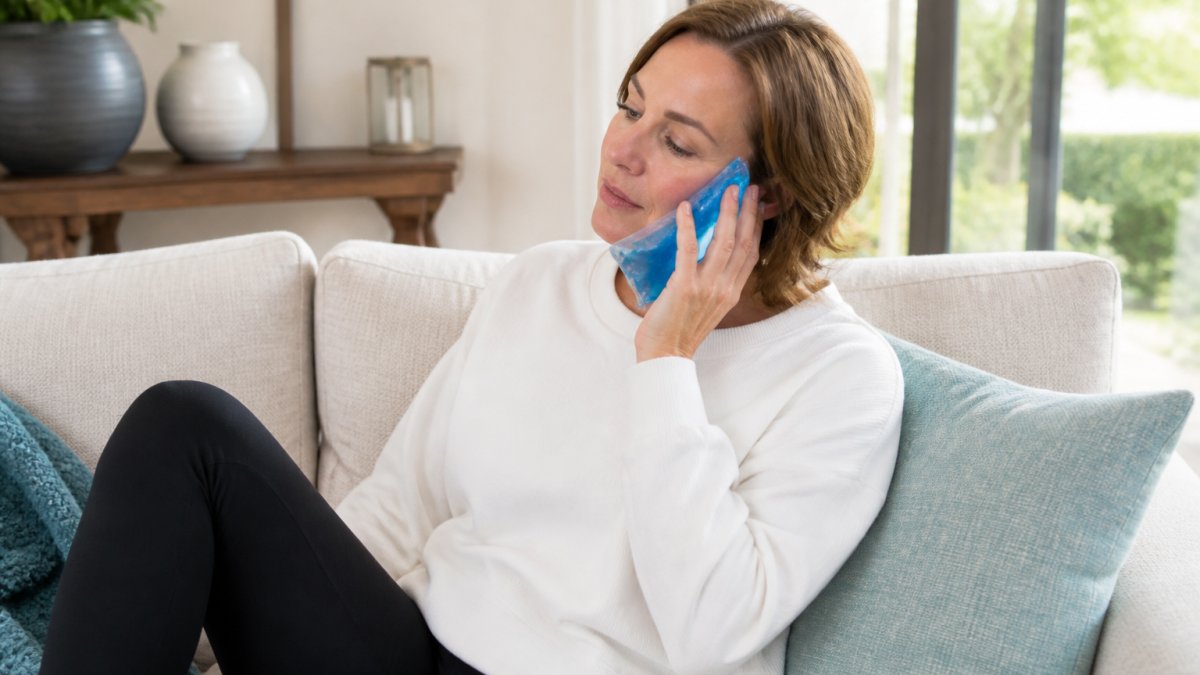
A provider may recommend gentle cold compresses for early discomfort or swelling. Ask how often and for how long. Use a protective cloth barrier, avoid direct ice contact, and do not press firmly or use a heavy pack against the treated tissue.
Cold therapy is a comfort measure, not a way to rule out a complication. Increasing pain or swelling still needs a call even if a compress temporarily feels soothing.
Protect the Treated Area While Resting
Your provider may recommend resting with your head elevated and sleeping on your back to limit pressure. Ask how long these precautions apply to your treatment. Use a comfortable, stable arrangement rather than forcing a position that causes pain or makes breathing difficult.
Clarify Your Skincare Instructions
Confirm when to wash your face, apply makeup, use moisturizer, and restart active products. Keep entry points clean according to your instructions, avoid picking, and do not add a new ointment or supplement without checking first. Ask how to protect the healing area from sun exposure.
What Should You Avoid After a Thread Lift?
Exercise and other activity restrictions depend on the treatment. The MINT PDO patient information advises consulting the provider before returning to intense activity, illustrating why a general internet schedule should not override your own plan.
Ask specifically about:
- Exercise and heavy lifting: Get clearance for strenuous workouts instead of using reduced swelling as the only sign you are ready.
- Heat exposure: Confirm when saunas, steam rooms, hot tubs, and hot yoga can resume.
- Facial pressure: Discuss massage, face-down positioning, tight equipment, and side or stomach sleeping.
- Mouth movement and appointments: Ask about chewing discomfort, wide mouth opening, and the timing of elective dental work.
- Other aesthetic services: Obtain approval before facials, peels, injections, microneedling, or energy-based treatments near the treated area.
Do not postpone urgent dental or medical care on your own. Tell the clinician about your recent thread treatment so care can be coordinated.
Medication and Supplement Questions
Tell your provider about all prescriptions, over-the-counter medicines, and supplements before treatment. In particular, disclose medicines that affect bleeding or clotting.
Do not stop a prescribed blood thinner, aspirin, or another medication simply to reduce bruising. Any change must be coordinated with the prescribing clinician and treating provider. Ask which pain relief is appropriate for you, and use prescribed medicines exactly as directed.
Adding arnica, supplements, or a new topical product is not a necessary step in everyone's recovery. Check before using anything that was not part of your instructions.
When to Contact Your Provider
Contact your treating provider promptly about:
- Swelling that is increasing, returning after improvement, or lasting beyond the recovery pattern discussed with you.
- Increasing pain, spreading redness, warmth, fever, chills, or drainage.
- A rapidly enlarging or markedly one-sided swollen area.
- An exposed thread, an opening at an entry point, or significant new contour changes.
- Persistent dimpling, difficulty opening your mouth, or another symptom that is not improving as expected.
Seek emergency care for trouble breathing or swallowing, rapidly expanding facial or neck swelling, or other severe symptoms. Do not wait for an office callback in an emergency.
If another office performed your procedure, contact that treating team first for recovery instructions and an assessment. If you cannot reach them and symptoms are concerning, seek timely medical care.
Planning PDO Thread Treatment in Stony Brook
A useful consultation should cover what threads can realistically accomplish, the likely recovery for your plan, alternatives, follow-up, and how to reach the treating team with concerns. Ask who will perform the procedure and who will assess you if healing does not follow the expected course.
Elite Laser Center & Med Spa serves clients in Stony Brook and throughout Suffolk County. To discuss PDO threads and your own recovery considerations, request a personalized consultation or call (631) 675-2500.
Frequently Asked Questions
How long does swelling last after a thread lift?
It often improves over the first several days, but recovery varies. Bruising, tightness, and other changes may last longer. Ask your provider what to expect for your treatment and report swelling that worsens or persists beyond that expectation.
Is swelling on only one side normal?
Some early unevenness can occur, but one-sided swelling should not automatically be dismissed. Contact your provider if it is increasing, painful, red, warm, or concerning. Rapidly expanding swelling needs urgent assessment.
Can I massage swelling or dimpling after PDO threads?
Do not massage or manipulate the area unless your treating provider gives you specific instructions after assessing it. Persistent dimpling, pain, or a visible thread deserves a professional review.
When can I exercise or sleep on my side again?
The timing depends on your treatment and healing. Follow the activity and sleep-position instructions you received, and ask for clearance rather than relying on a universal one-week or two-week rule.
Should I stop blood thinners to reduce bruising?
Do not stop prescribed medication on your own. Tell the treating provider what you take, and coordinate any proposed change with the clinician who prescribed it.
When will I be able to judge the result?
Early swelling, bruising, and tightness can affect appearance. Review progress at the recommended follow-up rather than judging the result from the first few days. Ongoing pain or other concerning symptoms should be assessed sooner.
Sources
- American Society of Plastic Surgeons: Thread lift recovery
- American Society of Plastic Surgeons: Thread lift risks and safety
- Cleveland Clinic: Thread lift
- MINT PDO: Patient information
- Elite Laser Center & Med Spa: PDO threads
Prepared with AI assistance for editorial and clinical review before publication. This article provides general education and does not replace individualized medical advice or your treating provider's aftercare instructions. Treatment suitability, results, and recovery vary.