 blog
10 Best Postpartum Skin Rejuvenation Tips for New Moms
Last Updated: November 13, 2026
Quick Summary
The best postpartum skin rejuvenation tips combine a simple three-step routine of gentle cleansing, daily moisturizing, and sun protection with hydration, protein, healthy fats, and gradual weight loss. Professional options like microneedling and radiofrequency can support firmness once your provider clears you, but excess skin and muscle separation need separate evaluation.
- Keep your postpartum skin care routine under five minutes: cleanse, moisturize, protect, and add one active at a time.
- Hyaluronic acid, glycerin, and ceramides are generally considered low-risk topicals while breastfeeding; retinoids and high-strength acids are usually avoided.
- Wait for provider clearance, often around the six-week postpartum visit, before starting professional treatments.
- Losing pregnancy weight gradually supports skin elasticity better than rapid loss, which can make loose skin more visible.
- No cream or surface treatment closes diastasis recti; pelvic floor physical therapy and guided core rehabilitation come first.
Table of Contents
- Why Postpartum Skin Changes and What You Can Realistically Do
- Building a Postpartum Skin Care Routine That Fits Your Life
- The Best Postpartum Skin Care Products for Hydration and Firmness
- Nutrition and Hydration: Water, Protein, and Healthy Fats
- How to Tighten Skin After Pregnancy Without Surgery
- Saggy Belly Skin After Pregnancy Treatment: What Actually Helps
- When to Start Treatments and How to Set Realistic Expectations
- Schedule a Postpartum Skin Consultation at Elite Laser Center & Medi Spa
- Frequently Asked Questions
Why Postpartum Skin Changes and What You Can Realistically Do
Pregnancy changes skin in ways few people warn you about. As you weigh ways to support skin as it changes after pregnancy, biostimulator treatments for rejuvenation may be one option to consider alongside daily care.
Postpartum skin refers to the changes in skin tone, texture, elasticity, and hydration that follow pregnancy and delivery. Hormonal shifts, stretching of the abdominal skin, fluid changes, and interrupted sleep all play a part.
Here is the honest part most guides skip: no cream or single treatment reverses all of it. Skin elasticity recovers gradually, and results depend on genetics, age, and how much the skin stretched.
Building a Postpartum Skin Care Routine That Fits Your Life
A postpartum skin care routine works best when it takes under five minutes. New mothers rarely have more, and consistency matters more than a long list of products.
Start with three steps: cleanse, moisturize, protect. Add one active ingredient at a time so you can tell what helps and what irritates. If sleep is broken, keep the routine by the sink and do it at the same time each day.

Gentle Cleansing and Daily Moisturizing
Gentle cleansing means a mild, fragrance-free cleanser and lukewarm water. Harsh scrubs and hot showers strip the skin barrier, which makes dryness and sensitivity worse.
Follow with moisturizing while skin is still slightly damp. Look for ceramides, glycerin, or hyaluronic acid, which help hold hydration in the outer layer. A firming lotion can support the look of skin firmness, though it works on the surface, not on deeper tissue.
Breastfeeding-Safe Ingredients to Look For
If you are breastfeeding, check ingredients before starting anything new. Many dermatologists consider hyaluronic acid, glycerin, and ceramides low-risk in topical skincare. Retinoids and high-strength exfoliating acids are usually avoided during this period.
Ask your obstetric provider or a pharmacist about any active ingredient, and patch-test first. For professional treatments, tell your provider you are breastfeeding so the plan fits your situation.
The Best Postpartum Skin Care Products for Hydration and Firmness
The best postpartum skin care products share three traits: they hydrate, they support the skin barrier, and they are simple enough to use daily. Expensive does not mean effective.
What to prioritize:
- A mild cleanser for gentle cleansing
- A barrier moisturizer with ceramides or glycerin
- A firming lotion with peptides or coenzyme Q10
What to Look For in a Firming Lotion
A firming lotion should list humectants and emollients near the top of the label. Peptides, niacinamide, and coenzyme Q10 are common supporting ingredients. These products improve the look of skin texture and hydration over weeks, not days.
Watch out: no lotion rebuilds collagen or removes excess skin. Expect a smoother, more hydrated appearance rather than true tightening.
Nutrition and Hydration: Water, Protein, and Healthy Fats
Diet supports skin from the inside, and the basics are unglamorous. Adequate water intake, enough protein, and healthy fats give skin the building blocks it needs.
Practical targets:
- Sip water through the day, especially if breastfeeding
- Include protein at each meal, such as eggs, fish, beans, or poultry
- Choose healthy fats like olive oil, nuts, avocado, and fatty fish
Gradual weight loss matters too. A CDC guide to healthy weight loss outlines safe, steady pacing. For a deeper look at habits that support elasticity, see how to improve skin elasticity without surgery.
How to Tighten Skin After Pregnancy Without Surgery
How to tighten skin after pregnancy without surgery comes down to two paths: home habits and professional treatments. Home care supports skin tone and hydration. In-office options address skin laxity more directly, with limits.
Activity helps. A cardio routine supports circulation, and strength training builds muscle tone under the skin. Postpartum exercise should start only with your provider's clearance, and pelvic floor recovery comes first.
Radiofrequency and Skin Tightening Treatments
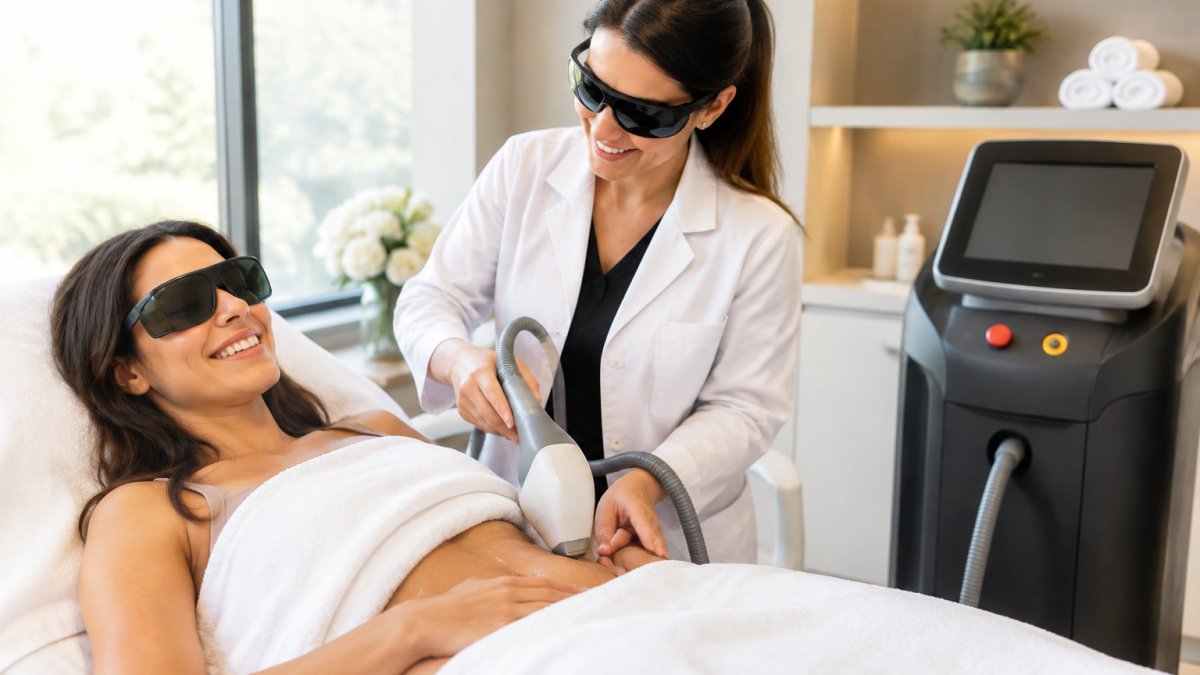
Radiofrequency treatments deliver controlled heat to deeper skin layers, which may support collagen remodeling and the look of skin firmness over a series of sessions.
Elite offers Lumenis Legend TriPollar surface radiofrequency and ThermiSmooth facial radiofrequency, both performed or supervised by a nurse. These are facial treatments at Elite. For a plain explanation of the category, read skin tightening without surgery explained.
Microneedling and RF Microneedling
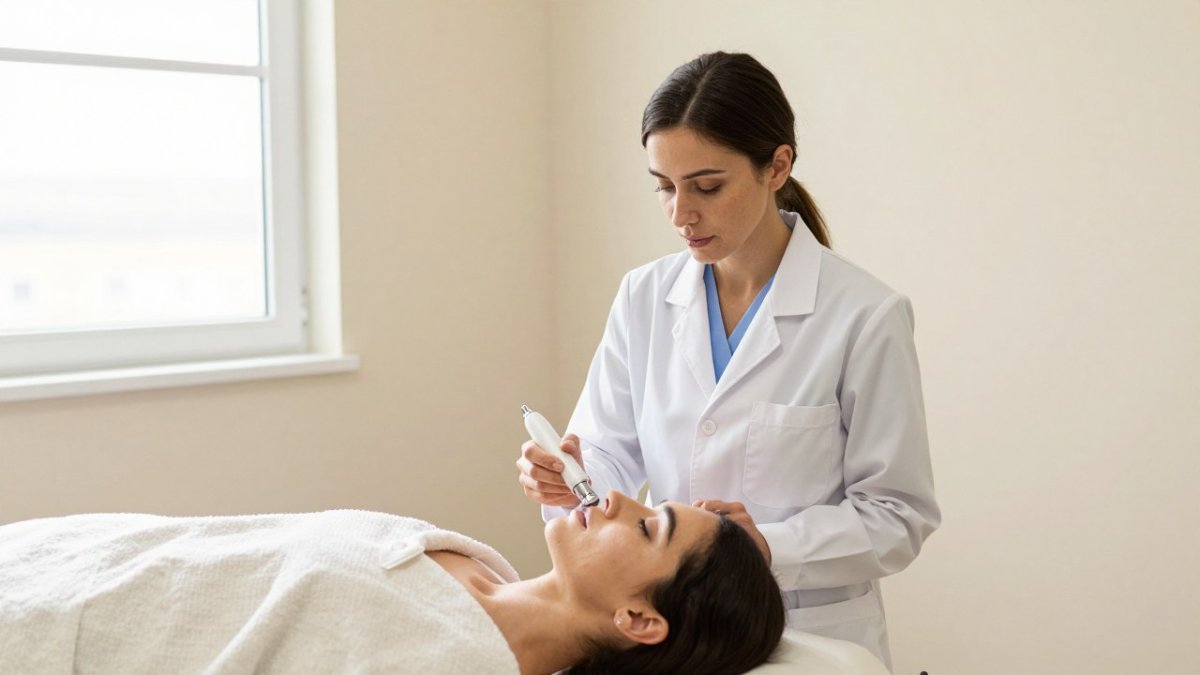
Microneedling creates controlled micro-channels to support skin renewal, and RF microneedling adds radiofrequency energy for deeper remodeling. Both involve recovery time that varies by intensity, and before-and-after results depend on the individual.
Elite offers traditional microneedling and a separate Lumenis Legend Pro+ RF microneedling service. If texture and stretch marks are the main concern, RF microneedling for acne scars explains how results and downtime compare.
Saggy Belly Skin After Pregnancy Treatment: What Actually Helps
Saggy belly skin after pregnancy treatment works only when it matches the cause. The abdomen changes in several distinct ways during pregnancy, and each responds to different things. Treating them as one problem is why so many product lists disappoint.
The four changes that drive the look of a postpartum belly:
- Collagen and elastin loss. Skin stretches over months, and the structural proteins that keep it firm thin and fragment. This is the change most responsible for crepey texture and a softer, less resilient surface.
- Diastasis recti. The two sides of the rectus abdominis muscle separate along the midline in many pregnancies. This is a muscle issue, not a skin issue, and no cream or surface treatment closes the gap.
- Excess skin. After the underlying volume resolves, some skin may not retract fully. How much depends on genetics, age, number of pregnancies, and how much the skin stretched.
Matching the Concern to the Right Lane of Care
A useful way to think about it is triage. Identify which change dominates, then choose the lane built for it.
- Surface texture and mild laxity: daily moisturizing, sun protection, and time. Skin remodeling continues for months after delivery, and the surface often improves on its own more than people expect.
- Skin quality and crepey texture: professional options such as microneedling and RF microneedling, which create controlled injury to support the skin's own renewal process. These work on skin, not on muscle or excess skin.
- Mild skin laxity: surface radiofrequency, which delivers controlled heat to support collagen remodeling over a series of sessions. At Elite, the radiofrequency services are facial treatments; body applications should be discussed at a consultation rather than assumed.
Cellulite and stretch marks often fade over time but rarely disappear. Setting that expectation early prevents disappointment later.
What Home Care Can and Cannot Do
Home habits are worth doing, but be clear about their ceiling:
- Moisturizing daily supports the skin barrier and improves how the surface looks and feels.
- Gradual weight loss rather than crash dieting gives skin time to adapt and keeps loose skin from becoming more pronounced.
- Strength training, once cleared, rebuilds muscle tone under the skin, which changes how the abdomen looks even when skin is unchanged.
Watch out: any product or device marketed as a cure for diastasis recti or as a replacement for surgery on excess skin is overselling. Those are different problems with different solutions.
What works for skin tightening for abdomen covers which non-surgical options may improve laxity and who tends to qualify.
When to Start Treatments and How to Set Realistic Expectations
Timing is where most postpartum skin guides go quiet, and it is the question readers actually have. The honest answer depends on three things: how you delivered, how you are healing, and whether you are breastfeeding.
Timing by Delivery and Recovery
- Vaginal delivery without complications: many providers suggest waiting until bleeding has settled and your obstetric provider clears you, often around the six-week postpartum visit. That clearance is the gate, not the calendar.
- Cesarean delivery: healing of the incision adds time. Surface treatments over or near the incision, and anything that could stress the tissue, should wait until the provider confirms the incision is fully healed.
- Breastfeeding: this changes which ingredients and treatments are appropriate, not just when. Tell every provider you are breastfeeding so the plan fits your situation.
A common pattern is to spend the early weeks on gentle home care and recovery, then begin professional treatments once cleared. There is no prize for starting sooner.
Breastfeeding-Safe Ingredients and Treatments
This is the gap most guides skip. If you are breastfeeding, check before starting anything new:
- Generally considered low-risk in topical skincare: hyaluronic acid, glycerin, and ceramides.
- Usually avoided during this period: retinoids and high-strength exfoliating acids. Ask your obstetric provider or a pharmacist before using any active ingredient, and patch-test first.
- Professional treatments: tell your provider you are breastfeeding. Suitability varies by treatment, and some plans should be deferred.
Guidance from the American Academy of Dermatology is a useful starting point for ingredient safety questions.
Separating Evidence-Supported Options from Marketing
Not every popular option has the same backing. A rough way to sort them:
- Well supported for skin quality: sun protection, gentle cleansing, consistent moisturizing, and adequate nutrition and hydration.
- Supported with caveats: professional treatments such as microneedling, RF microneedling, and radiofrequency, where results build over a series of sessions and vary by individual. Manufacturer study findings should be read in context, and individual results vary.
- Limited evidence for visible skin change: most oral collagen and biotin supplements, and firming lotions that promise to rebuild collagen. These may improve hydration and appearance; they do not restructure skin.
Setting Realistic Expectations Before Booking
- Results build over weeks to months, not overnight.
- Multiple sessions are typical, and maintenance treatment keeps results going.
- Excess skin and muscle separation may need surgical evaluation.
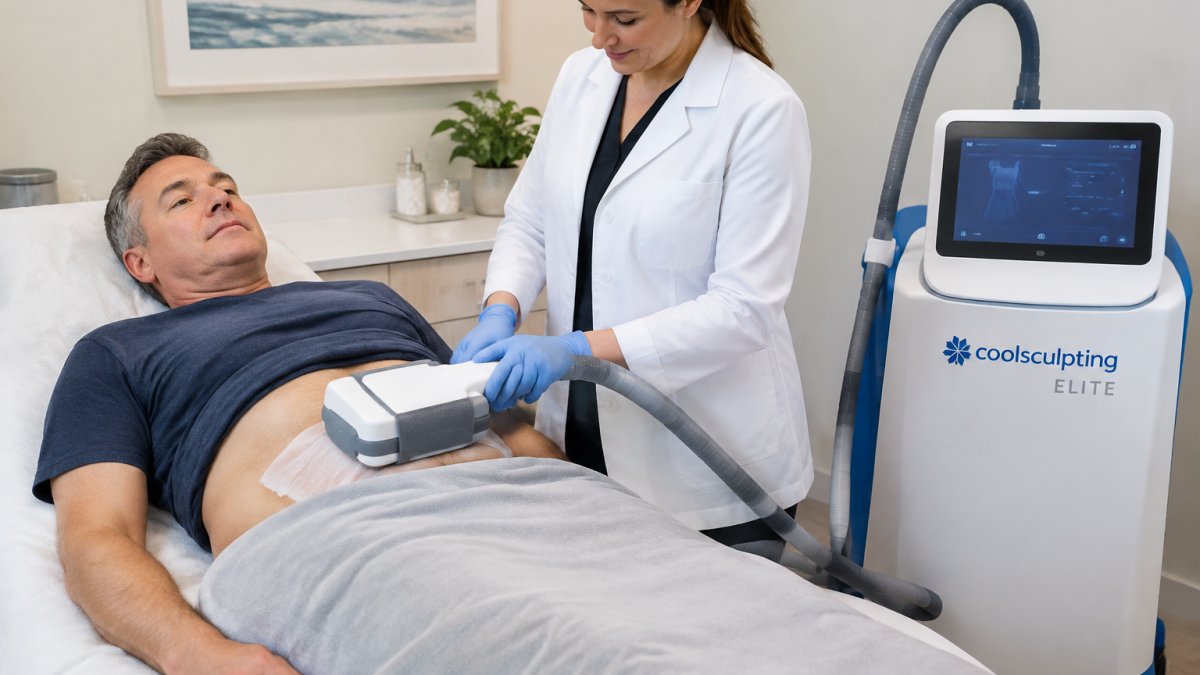
Watch out: anyone promising permanent tightening, zero downtime, or universal suitability is overselling. Ask about safety, contraindications, and what happens if results fall short. CoolSculpting after pregnancy covers timing and safety questions for body treatments.
Here is how timing and suitability break down by situation, so you can plan around your own recovery.
| Situation | What to know |
|---|---|
| Vaginal delivery without complications | Wait until bleeding settles and provider clears you, often around six-week visit |
| Cesarean delivery | Wait until provider confirms incision is fully healed |
| Breastfeeding | Changes which ingredients and treatments are appropriate, not just when |
| Any complication | Infection, retained tissue, blood loss, or slow healing pushes timeline out |
| Low-risk topical ingredients | Hyaluronic acid, glycerin, and ceramides generally considered low-risk |
| Usually avoided while breastfeeding | Retinoids and high-strength exfoliating acids |
| Professional treatments | Tell your provider you are breastfeeding; some plans should be deferred |
| Oral collagen and biotin | Limited evidence for visible skin change; confirm safety with provider |
Schedule a Postpartum Skin Consultation at Elite Laser Center & Medi Spa
Postpartum skin changes deserve a plan built around your body, your recovery, and your goals, not a generic product list.
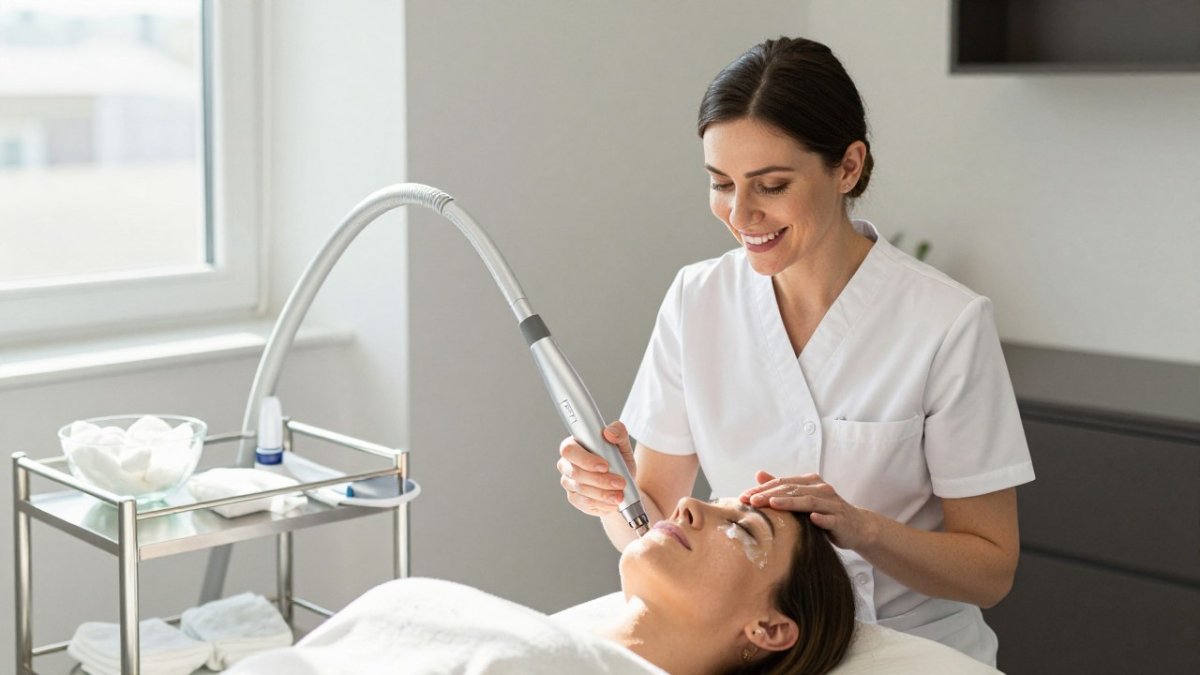
Elite offers professional options that fit this stage of life, including Lumenis Legend TriPollar surface radiofrequency for skin tightening, Lumenis Legend Pro+ RF microneedling, and HydraFacial for hydration and radiance.
Recovery takes time, and so does skin renewal. Start with the daily habits, then let a qualified provider assess what professional care can realistically add.
Frequently Asked Questions
What is the best skincare routine for postpartum skin?
Keep it simple and consistent: a gentle cleanser morning and night, a hydrating moisturizer, and a broad-spectrum sunscreen every morning. Add a breastfeeding-safe serum with hyaluronic acid if skin feels tight or dehydrated. Once your provider confirms it is appropriate, you can introduce a product with coenzyme Q10 or peptides for firmness. A postpartum skin care routine works best when it is short enough to follow on broken sleep, so two to three reliable steps beat a ten-step plan you abandon in a week.
Can postpartum skin tighten without surgery?
Some improvement happens on its own as skin elasticity recovers and abdominal muscles regain tone, but loose skin after pregnancy often does not fully resolve with home care alone. Non-surgical options such as radiofrequency skin tightening, microneedling, and RF microneedling can support collagen production and improve skin texture and firmness over a series of sessions. Results vary by skin condition, severity, and how soon after delivery treatment begins, so a consultation is the right first step. Surgery remains the only option for significant excess skin removal.
When should you consider a professional skin treatment after giving birth?
Most providers suggest waiting until your body has recovered from delivery and any breastfeeding concerns are settled, which is often several months. The exact timing depends on your delivery, healing, and whether you are nursing. Before booking, confirm which treatments are compatible with breastfeeding and share your full medical history. A consultation lets a nurse or provider review your skin, discuss options like HydraFacial or radiofrequency, and build a plan that fits your recovery timeline rather than rushing into treatment.
What helps with saggy belly skin after pregnancy?
A combination of gradual weight loss, strength training to rebuild abdominal muscle tone, daily moisturizing, and adequate protein and water intake supports skin from the inside out. Firming lotions with ingredients like coenzyme Q10 can improve the look of skin texture but will not remove excess skin. For saggy belly skin after pregnancy, treatment options such as radiofrequency skin tightening or body contouring may help with mild laxity, while significant loose skin may need a surgical consult. Set realistic expectations and discuss timing with a provider.