 blog
Microneedling for Acne Scars in Stony Brook: What to Expect
How scar type affects treatment options, what recovery can look like, and what to ask about RF safety
Microneedling can soften the appearance of some depressed facial acne scars. Improvement usually develops gradually, and the best next step depends on scar shape, skin tone, active breakouts and how your skin heals. A consultation can help you decide whether conventional microneedling, radiofrequency (RF) microneedling or a dermatology referral makes sense.
Start by identifying the marks you want to treat
Flat pink, brown or gray marks after acne are usually changes in color. Depressed scars change the skin’s contour. Rolling scars look wavy, boxcar scars have more defined edges, and ice-pick scars are narrow and deep. Shallow depressions may respond to microneedling. Deep, tethered or raised scars can need a different approach. A dermatologist can help identify scars that may benefit from treatments such as subcision or targeted procedures.
How conventional and RF microneedling differ
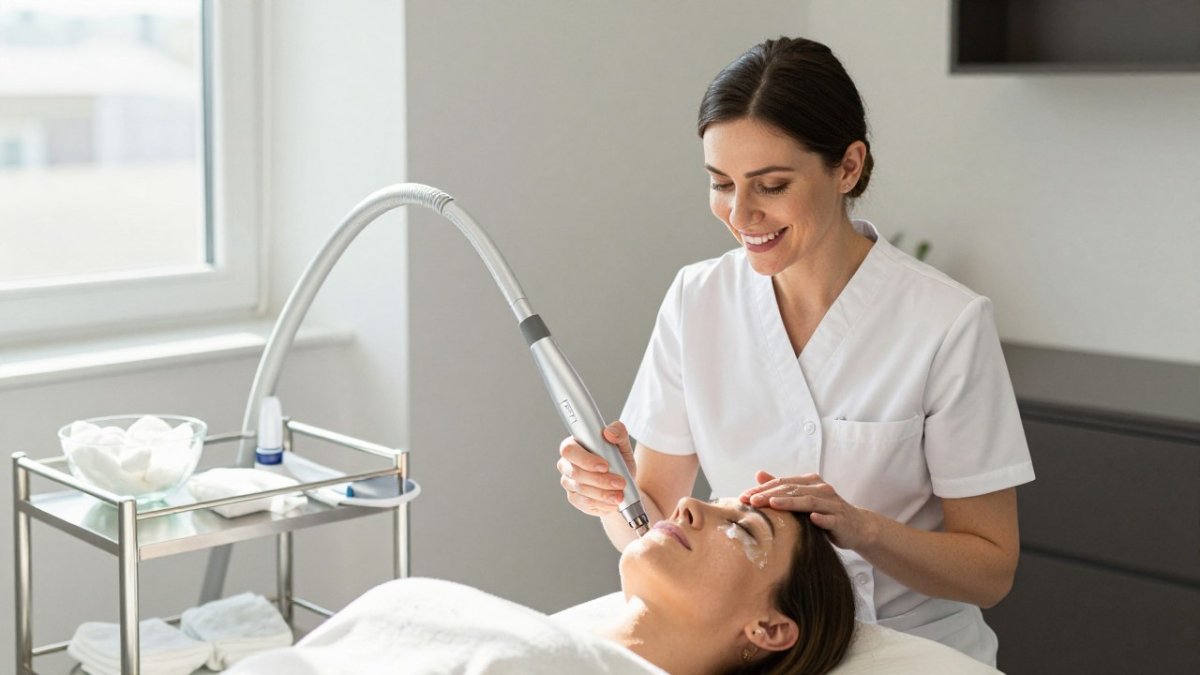
Conventional microneedling uses fine needles to create controlled punctures that prompt wound healing and collagen remodeling. The FDA has cleared certain microneedling devices to improve the appearance of facial acne scars. Ask which device and treatment setting the provider plans to use for your concern.
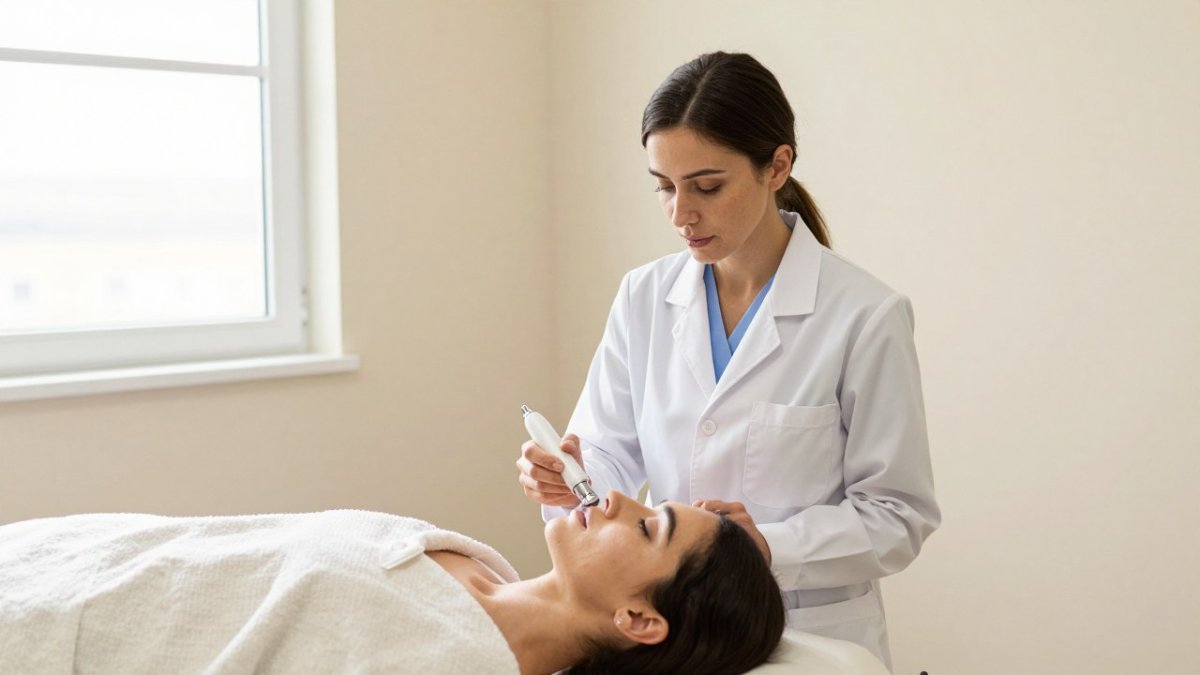
RF microneedling uses needle-like electrodes to deliver radiofrequency energy and heat below the skin’s surface. The techniques have different risks, and RF is not automatically the better choice for deeper scars. The FDA has received reports of serious complications with certain uses of RF microneedling, including burns, scarring, fat loss, disfigurement and nerve damage. Discuss the planned device, the provider’s training and what to do if a complication occurs. Read the FDA’s RF microneedling safety communication.
How many sessions will I need?
Some patients need several sessions spaced weeks apart. Your provider should explain how progress will be measured and when to reassess the plan. Skin texture can continue to change over several months. Compare photos taken under similar lighting and angles, and ask what scar types and number of sessions are shown. The goal is to make scars less noticeable. Results vary.
Recovery, aftercare and when to call
Short-term reactions can include redness, swelling, tenderness, peeling, bruising or pinpoint bleeding. Recovery varies by procedure and settings. Less common risks include infection, cold-sore flare-ups and changes in pigmentation. Tell your provider about active breakouts, cold sores, poor wound healing, a history of keloids and any medications, including isotretinoin. Follow the aftercare instructions for sun protection and when to resume makeup, retinoids or exfoliants. Contact the treating provider promptly if you develop worsening pain, spreading redness, drainage, blistering or fever.
For a fuller overview, see the FDA’s microneedling device guidance and the American Academy of Dermatology’s guide to microneedling.
Planning a consultation in Stony Brook
At Elite Laser Center & Med Spa in Stony Brook, NY, we can discuss your scar pattern, downtime and questions about Legend Pro+ RF microneedling. If your scars may need a different treatment, ask about a dermatology evaluation before purchasing a package. For a broader comparison, see our guide to acne scar treatments.
Black Friday offer: Elite lists an RF microneedling package at $2,495, including three RF microneedling treatments. Purchase by December 20, 2026. Payment in full is required. Treatment depends on clinical eligibility. See the official specials page for the complete package and terms. The FDA has not cleared microneedling devices for use with other products. Ask your provider how any offered add-ons are used and what evidence supports them.
Request a consultation in Stony Brook or call 631-675-2500.
Frequently Asked Questions
Does microneedling actually fix acne scars?
Microneedling can make some depressed acne scars less noticeable. The amount of improvement varies with scar type, depth, skin characteristics and response. Deep, tethered or raised scars may need a different approach or an evaluation by a dermatologist.
How many microneedling sessions are typically needed for acne scars?
Some patients need several sessions spaced weeks apart. Your provider should explain the proposed schedule and when to reassess progress. Texture can continue to change over several months.
What are the downsides of microneedling for acne scars?
Redness, swelling, peeling, pinpoint bleeding or bruising can occur. Less common risks include infection, cold-sore flare-ups and pigment changes. Discuss medications, active breakouts and your healing history before treatment. Contact the treating provider if symptoms worsen or you develop fever, drainage or blistering.
How does microneedling compare with RF microneedling for acne scars?
Conventional microneedling uses mechanical punctures. RF microneedling adds heat through electrodes below the skin. The FDA has received reports of serious complications with certain RF uses, including burns, scarring, fat loss, disfigurement and nerve damage. Ask about the specific device, provider training and alternatives.